Preparing your home for bed bug heat treatment can feel overwhelming, especially when you’re unsure which belongings should stay and which need to be removed. From electronics and medications to clothing and personal valuables, proper preparation helps protect your possessions while supporting an effective treatment.
Unlike conventional pest control methods, bed bug heat treatment uses controlled high temperatures to eliminate bed bugs and their eggs. However, certain household items may be damaged by prolonged heat exposure, while removing other belongings unnecessarily could spread the infestation.
Following the right bed bug heat treatment preparation steps helps homeowners avoid costly mistakes. So, what should you remove before treatment, and which items should remain inside your home?
Why Bed Bug Heat Treatment Preparation Matters
Proper preparation helps ensure that heat reaches bed bugs hiding in mattresses, furniture, and other protected spaces while reducing the risk of damage to sensitive belongings. Treatment providers typically supply specific instructions based on their equipment, procedures, and the property being treated.
How Professional Heat Treatment Works
Professional heat treatment uses specialized heating equipment, fans, and temperature monitoring to raise affected areas to temperatures lethal to bed bugs.
According to the U.S. Environmental Protection Agency (n.d.-a), heat can kill bed bugs when the required temperatures are maintained long enough to reach insects and their eggs.
However, simply warming a room is not enough. Effective treatment requires appropriate temperature distribution and monitoring, especially around insulated hiding places.
Why Removing Too Many Items Can Cause Problems
Removing belongings without proper precautions may accidentally transport bed bugs into untreated rooms, vehicles, or storage areas.
Bed bugs can hide inside clothing, bags, furniture, and other personal possessions.
Therefore, homeowners should not automatically empty their bedrooms before treatment.
Instead, follow the pest control provider’s preparation checklist and ask how potentially infested belongings should be handled.
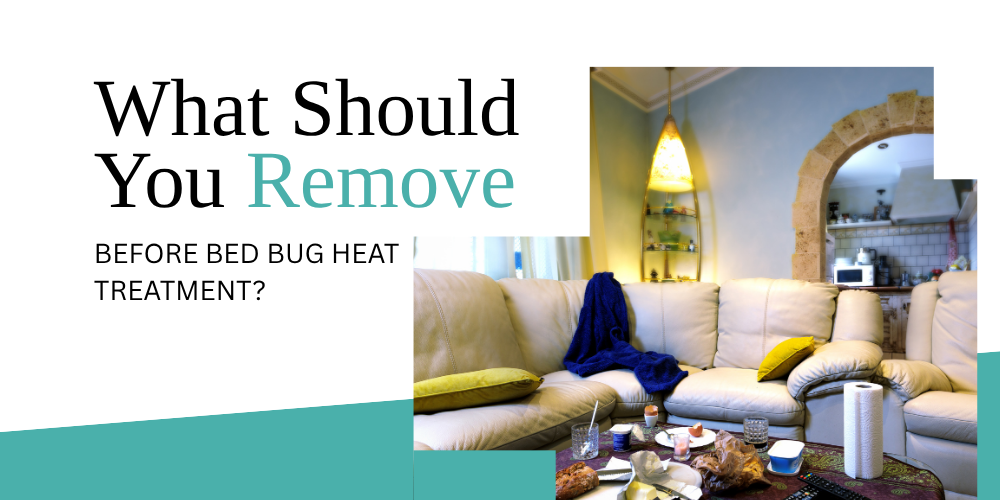
What Items Should You Remove Before Bed Bug Heat Treatment?
Certain belongings are particularly sensitive to high temperatures and may require removal before treatment. However, the exact requirements depend on the heating method and the manufacturer’s recommendations for individual products.
Medications, Cosmetics, and Heat-Sensitive Products
Many medications and personal care products have specific storage temperature requirements.
Items that may need removal include:
- Prescription and over-the-counter medications
- Vitamins and supplements
- Cosmetics that may melt or separate
- Aerosol cans and pressurized containers
- Candles, wax products, and similar materials
- Flammable liquids and other hazardous chemicals
Never leave flammable or pressurized products in a heated treatment area unless the provider has explicitly confirmed they are safe.
Medications should be stored according to their labeling and manufacturer instructions.
Electronics, Valuables, and Delicate Belongings
Some electronics and personal valuables may be sensitive to prolonged heat exposure.
Items requiring special attention may include batteries, electronic devices, musical instruments, artwork, and temperature-sensitive collectibles.
Certain adhesives, plastics, and finishes may also become damaged when exposed to elevated temperatures.
Before removing electronics, consult the treatment provider. Bed bugs can hide inside electronic equipment, so moving potentially infested devices without a containment plan may spread the problem.
What Should Stay Inside During Bed Bug Heat Treatment?
Many household items should remain inside the treatment area because removing them could allow hidden bed bugs to escape treatment. Keeping appropriate belongings in place also allows technicians to address insects hiding within furniture and surrounding spaces.
Mattresses, Bed Frames, and Upholstered Furniture
Mattresses, box springs, bed frames, couches, and recliners are common bed bug hiding locations.
The EPA’s guidance on finding bed bugs (n.d.-b) identifies mattress seams, furniture joints, and upholstery crevices as potential hiding places.
These items generally remain in the treatment area unless technicians provide different instructions.
Do not discard mattresses or upholstered furniture automatically. Many infested items can be treated successfully when appropriate methods are used.
Clothing, Bedding, and Household Fabrics
Clothing, linens, curtains, and other fabrics may contain hidden bed bugs.
Some providers recommend leaving certain items inside for treatment, while others require laundering or specific preparation.
When laundering is recommended, the EPA notes that using a clothes dryer on high heat for 30 minutes can kill bed bugs and their eggs, provided the items can safely tolerate that setting.
Place treated fabrics in clean, sealed containers or bags to prevent reexposure.
Always follow your provider’s instructions rather than assuming every fabric item should be removed.
How to Prepare Your Home for Professional Bed Bug Heat Treatment
Successful bed bug heat treatment preparation involves organizing belongings, identifying sensitive materials, and following the technician’s instructions. A clear preparation plan helps minimize disruption while supporting effective treatment.
Follow a Professional Preparation Checklist
Before your appointment, ask your provider which items must be removed, treated separately, or repositioned.
Common preparation tasks may include:
- Removing approved heat-sensitive belongings
- Securing medications and hazardous products
- Reducing excessive clutter around furniture
- Providing access to baseboards and furniture
- Following instructions for clothing and bedding
- Arranging temporary accommodations during treatment
Avoid using additional pesticides or attempting your own heating methods unless your technician specifically recommends them.
For homeowners considering professional bed bug heat treatment, Bed Bugs Be Gone Now can provide treatment-specific preparation guidance based on the property’s needs.
Avoid Common Preparation Mistakes
One common mistake when preparing for bed bug heat treatment is moving potentially infested belongings into untreated locations.
Another is assuming that every item can safely withstand elevated temperatures.
Do not place belongings in a vehicle, garage, or another room without first discussing containment and treatment requirements.
Similarly, avoid leaving medications, pressurized containers, or heat-sensitive valuables behind without checking their safety.
Clear communication with your pest control provider is essential.
Prepare Your Home for Effective Bed Bug Heat Treatment
Knowing what to remove before treatment helps protect your belongings while reducing the risk of spreading bed bugs.
Medications, aerosols, hazardous materials, and certain delicate items may require removal or special handling. Meanwhile, mattresses, furniture, and other potentially infested belongings often need to remain inside so technicians can treat hidden insects.
The most important step in bed bug heat treatment preparation is following the specific instructions provided by your exterminator.
By organizing your home, identifying sensitive belongings, and avoiding unnecessary movement of infested items, you can make the treatment process safer and more efficient.