
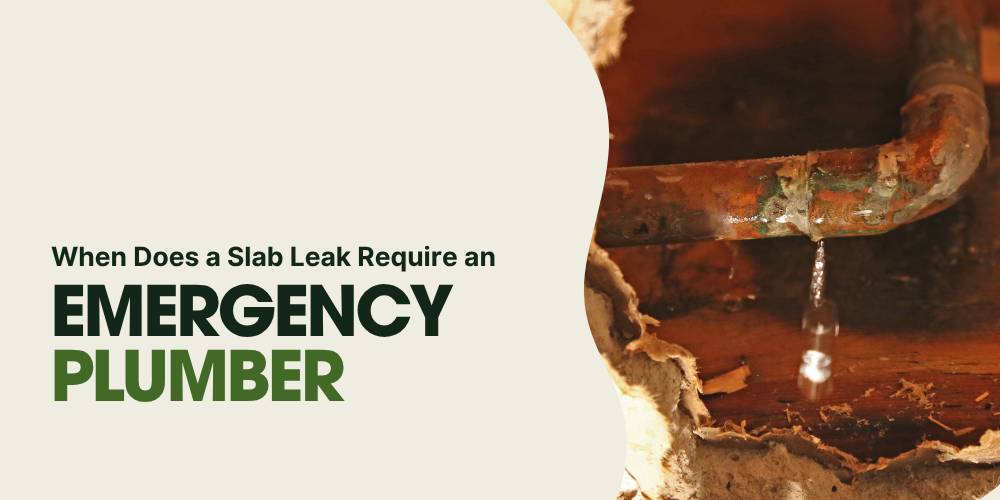
The most troublesome plumbing leaks aren’t always the ones you can see. A slab leak can release water beneath your home’s concrete foundation long before visible damage appears. As the problem continues, moisture may reach the flooring, walls, and other surrounding materials. However, the severity of the leak determines whether you need an immediate response or a scheduled inspection. An emergency plumber can help when uncontrolled water flow or serious safety concerns make waiting risky. Recognizing these situations early can help you protect your home from further damage.
Early Signs of a Slab Leak
A slab leak can develop beneath a home’s foundation without causing immediate flooding. However, changes in water usage and floor conditions may reveal hidden pipe damage. Homeowners can recognize potential problems through the following warning signs:
- Unexplained water bills: A sudden increase in water costs without additional household usage may indicate water escaping beneath the foundation.
- Reduced water pressure: A noticeable drop in pressure across multiple fixtures may indicate water loss in the plumbing system.
- Running water sounds: Hearing water movement when all fixtures are off may indicate a leak in a concealed supply line.
- Unusual floor conditions: Warm spots, damp flooring, or persistent moisture can signal water escaping beneath the concrete.
Recognizing these symptoms helps homeowners seek professional assessment before the problem becomes more serious.
When to Call an Emergency Plumber
Some slab leaks develop gradually, while others create conditions that require immediate professional attention. Knowing when a situation becomes urgent helps homeowners protect their property and avoid unnecessary risks. The following conditions may need an emergency plumber:
- Uncontrolled water loss: Continuous water flow or rapidly spreading moisture may indicate a major pipe failure that requires urgent attention.
- Sudden indoor flooding: Water entering living spaces can quickly reach furniture, appliances, and other household belongings.
- Electrical exposure: Water near outlets, wiring, or electrical panels poses a shock hazard that requires immediate safety precautions.
- Structural concerns: New foundation cracks, noticeable floor movement, or sudden severe pressure loss may indicate a serious problem that requires prompt investigation.
When these conditions occur, homeowners can shut off the main water supply if it is safe to do so and contact professionals for assistance.
What Delaying Repairs Can Cost
An untreated slab leak can affect more than the damaged pipe. As water continues to escape, surrounding materials absorb moisture, increasing the scope of necessary repairs. Prolonged exposure can lead to several costly problems, such as:
- Flooring deterioration: Moisture can weaken flooring adhesives, warp wood, and loosen tiles, necessitating material replacement.
- Wall damage: Water that reaches drywall and baseboards can cause swelling, staining, and deterioration.
- Mold growth: Persistent dampness creates conditions that allow mold to develop beneath flooring or inside walls.
- Higher restoration expenses: Widespread moisture may require additional drying, material removal, and reconstruction beyond the original plumbing repair.
Addressing the leak promptly helps limit damage and reduces the likelihood of extensive restoration work.
What Happens During Emergency Repairs
An emergency plumber begins by controlling the water supply and locating the source of the slab leak. The repair approach depends on the pipe’s condition, accessibility, and the extent of damage. Professionals generally follow these steps:
- Isolate the water supply: Shut off the affected line or main supply to stop further water loss before beginning repairs.
- Locate the leak: Use pressure testing, acoustic equipment, or other diagnostic methods to identify the damaged pipe beneath the foundation.
- Determine the repair method: Evaluate whether a targeted pipe repair, rerouting, or replacement offers the most suitable solution.
- Test the plumbing system: Check the repaired line for leaks and verify proper water pressure before restoring normal operation.
This process helps professionals address the source of the problem while limiting unnecessary disruption to the property.
Prevent Another Plumbing Emergency
Preventing another slab leak involves addressing the plumbing conditions that contribute to pipe failure. Rather than relying only on warning signs, homeowners can take steps to reduce strain on vulnerable pipes. The following practices support long-term plumbing reliability:
- Review previous repairs: Keep records of past leaks and pipe replacements to help professionals identify recurring failures in specific plumbing lines.
- Evaluate aging pipes: Arrange professional assessments when corrosion, deteriorating materials, or repeated pipe damage suggest a higher risk of failure.
- Maintain proper water pressure: Have professionals investigate excessive pressure that can place additional strain on pipes and connections.
- Plan necessary replacements: Consider replacing vulnerable pipe sections when recurring repairs no longer provide a dependable solution.
Addressing underlying pipe conditions helps reduce future failures and the need for another emergency plumber visit.
Know When Waiting Is No Longer an Option
Not every slab leak requires immediate repairs, but ignoring serious warning signs can put your home at greater risk. Uncontrolled water loss, spreading moisture, and electrical hazards require prompt action to prevent further damage. Meanwhile, recognizing the problem early allows homeowners to assess the situation before it affects more areas of the property. Turning off the main water supply can help limit water loss while waiting for professional assistance. A proper assessment also helps identify the source of the leak and find the most suitable repair approach. When the situation becomes urgent, reach out to an emergency plumber for slab leaks to resolve the problem and protect your home from further damage.