
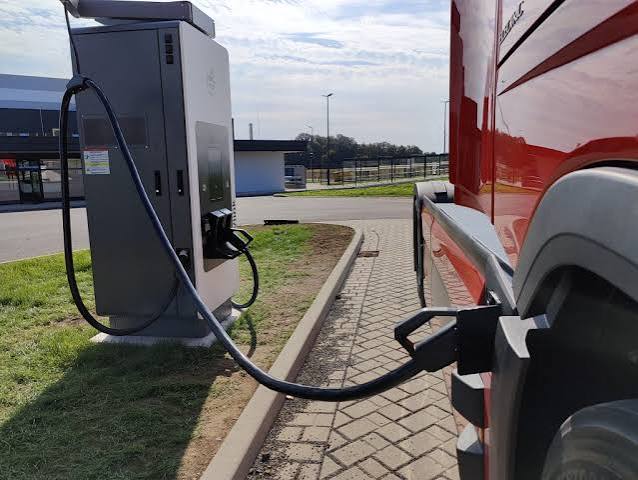
Buying electric vehicles is the easy part of fleet electrification. The harder part is keeping them charged, on schedule and within budget. Many fleet managers discover this only after the first vans arrive and the depot’s electrical panel turns out to be the real bottleneck.
Charging is not a side project to the vehicles. It is an operating system that determines whether routes run on time, whether energy bills stay predictable and whether the fleet can grow. This article covers the most common planning mistakes and what a sound charging strategy looks like.
Mistake 1: Treating Chargers Like Appliances
A fleet depot isn’t a home garage. Dozens of vehicles may return within the same hour, all needing energy before the next shift. If every charger draws full power at once, the site can exceed its electrical capacity or trigger expensive demand charges from the utility.
The answer is not simply to buy more power. It is to manage the power you have. Load management shares available capacity across chargers according to demand, giving priority to the vehicles that leave first and easing off on those that can wait. A depot with smart load management can often charge more vehicles on the same electrical service than one without it, which can delay or avoid costly utility upgrades.
Mistake 2: Skipping the Site Assessment
Before choosing hardware, you need to know what your site can support. That means evaluating the existing electrical capacity, the condition of panels and wiring, the parking layout and the distance between parking spots and potential charger locations.
A thorough assessment also looks forward. If you plan to add vehicles over the next three to five years, the design should anticipate that growth. Trenching and conduit are far cheaper to install once, at the right size, than to dig up again later. Sites planned for expansion let operators add chargers and capacity in stages instead of rebuilding.
Mistake 3: Underestimating Permitting and Compliance
Electrical work for charging must meet local codes, and permitting timelines vary widely. Delays here are among the most common reasons fleet projects miss their launch dates. Operators who treat permits as an afterthought can end up with vehicles on the lot and nowhere to charge them.
Working with a provider that handles code-compliant design, permitting, installation and activation under one roof reduces coordination risk. Fewer handoffs between consultants, electricians and hardware vendors means fewer places for a project to stall.
Choosing the Right Charger Class
Not every vehicle needs the same speed. Overnight depot charging for vehicles that sit for ten hours has different requirements than a delivery van that must turn around between shifts or a transit vehicle that needs a quick top-up midday.
Level 3 DC fast chargers suit operations where time at the charger is scarce, such as high-utilization logistics, delivery and transit. Compact units can serve shared or space-constrained locations, while higher-power units fit larger fleet and commercial sites. Matching charger power to duty cycles prevents both overspending on speed you don’t need and under-buying where downtime costs money.
Why End-to-End Matters
Fleet charging touches many disciplines: electrical engineering, permitting, hardware, software and ongoing maintenance. Splitting these across several vendors creates gaps in accountability. When a charger goes offline, who fixes it, and how fast?
This is where integrated providers earn their place. Ampaway ev fleet charging solutions cover the full lifecycle, from assessing a site’s electrical capacity and parking layout through permitted installation and activation, to in-house monitoring, maintenance and repairs. Their approach pairs load management with a single software platform that shows charger status and activity across the fleet, and the hardware is OCPP-certified, which helps operators avoid being locked into a single ecosystem. For logistics companies, corporate fleets, transit agencies and municipalities, having one accountable partner simplifies a complicated rollout.
Software Visibility Is Not Optional
You can’t manage what you can’t see. A fleet needs real-time visibility into which chargers are available, which are in use, which have faulted and how much energy each vehicle has consumed. A single dashboard across all sites turns charging from a guessing game into a managed process.
Good monitoring also supports cost control. When you can see usage patterns, you can shift charging to cheaper time windows, avoid peak-demand spikes and forecast energy spend with more confidence. Predictable energy costs are a major reason finance teams support electrification in the first place.
Plan for Uptime, Not Just Installation
A charger that is installed but unreliable is worse than no charger, because routes are built around it. Uptime depends on proactive monitoring, fast repairs and routine maintenance. When evaluating providers, ask who handles service, how issues are detected and what response looks like when something fails during a peak window.
Financing deserves a look too. Some providers offer models that reduce or remove the upfront capital requirement, which can accelerate rollout for organizations with tight budgets. Compare total cost of ownership across several years, including maintenance and energy management, instead of focusing only on hardware prices.
A Practical Checklist
Before committing to a charging plan, confirm that you can answer these questions:
- What is the site’s current electrical capacity, and what will it need in five years?
- How will power be shared across chargers during peak return times?
- Who manages permitting, and is the design code-compliant?
- Are the chargers open-standard, so you keep flexibility?
- Who monitors, maintains and repairs the equipment?
- How will you track cost and usage across every location?
The Takeaway
Fleet electrification succeeds or fails on infrastructure planning. Operators who assess sites carefully, manage load intelligently, plan for growth and choose accountable partners keep vehicles ready and costs predictable. Those who treat charging as an afterthought pay for it in downtime, delays and surprise bills. Start with the site, design for tomorrow’s fleet instead of today’s, and make sure someone owns uptime from the first day.