


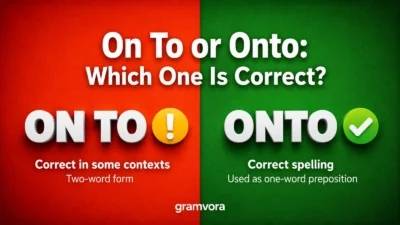
On To or Onto: Which One Is Correct?
On to and onto are both correct, but they do not always mean the same thing. The space matters. Use onto when something moves to a place,…
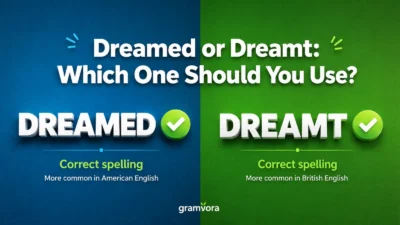
Dreamed or Dreamt: Which One Should You Use?
Dreamed and dreamt are both correct. They are two past-tense and past-participle forms of the verb dream. For most American writing, dreamed…
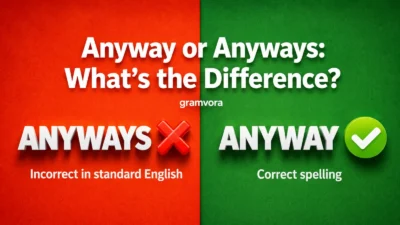
Anyway or Anyways: What’s the Difference?
Many English learners and native speakers wonder whether “anyway” or “anyways” is correct. The short answer is simple: both words exist, but…
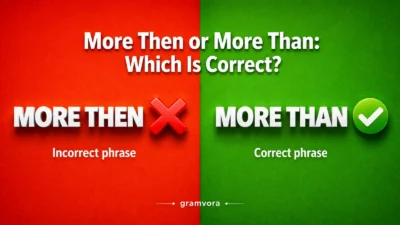
More Then or More Than: Which Is Correct?
The correct choice is more than when you are making a comparison. Use more than for amounts, numbers, degree, preference, and comparison. Use…
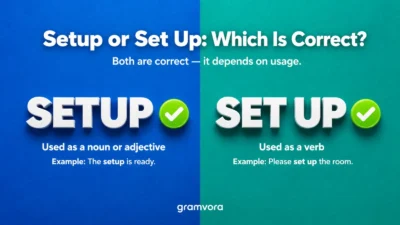
Setup or Set Up: Which Is Correct?
Both setup and set up are correct, but they are not used the same way. Use setup as a noun, or as a noun-like word before another noun. Use…
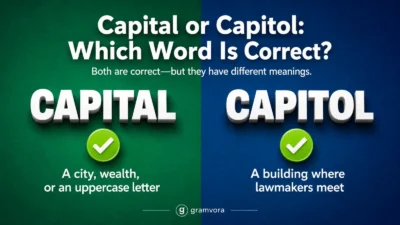
Capital or Capitol: Which Word Is Correct?
Which is correct: capital or capitol? Both words are correct, but they do not mean the same thing. Use capital for a city, money, uppercase…
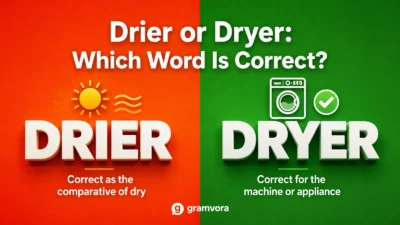
Drier or Dryer: Which Word Is Correct?
Both drier and dryer are real words. The correct choice depends on what you mean. Use drier when you mean “more dry” or “less wet.” Use dryer…
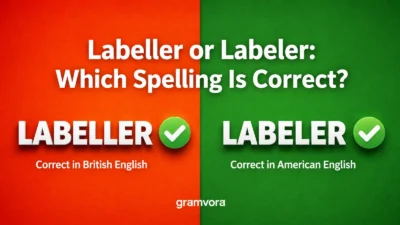
Labeller or Labeler: Which Spelling Is Correct?
Labeler is the better choice for American English. Labeller is also a real word, but it is the spelling more often used in British-style…
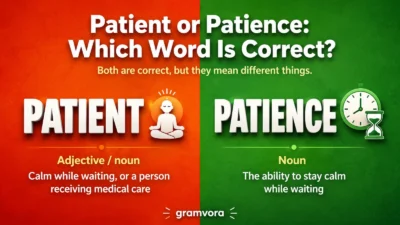
Patient or Patience: Which Word Is Correct?
Patient and patience are both correct words, but they are not used the same way. Use patient when you mean a calm person, a calm behavior, or…
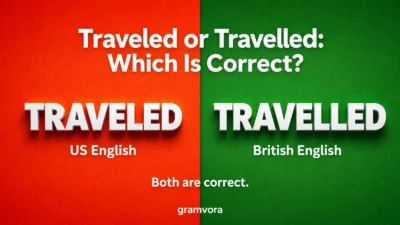
Traveled or Travelled: Which Is Correct?
Both traveled and travelled are correct spellings. For a US audience, traveled is the better choice. The difference is not meaning. It is not…